
Dentist in Abuja
Schedule an appointment
Most people searching for a dentist in Abuja are not searching because they enjoy the process. They are searching because something has happened, a toothache that has not gone away, a broken tooth, a concern about their gums, or a long-overdue checkup they have been putting off. They want someone they can trust, and they want to find that person without spending hours comparing clinics that all claim to be the best.
That is exactly what ORA by Abuja Dental exists to help with. Since 2020 we have operated across the FCT as a specialist dental booking platform, connecting over 3,000 patients to qualified dental professionals matched to their specific need and location. We are not a clinic. We do not treat patients ourselves. What we do is understand Abuja’s dental landscape well enough to guide you to the right person, quickly and without the guesswork.
This page tells you what you genuinely need to know before choosing a dentist in Abuja: what patients actually care about, what the data says about oral health in Nigeria, what questions are worth asking, and how we match people to the right care.
3,000+ patients matched to qualified dental specialists across Abuja FCT since 2020.
70% of Nigerians do not visit a dentist until pain forces them to (Smile360 clinical data).
45% of patients who came to us had already been to at least one dentist they were unsatisfied with.
Source: ORA by Abuja Dental internal referral data 2020 to 2024. Smile360 Nigeria.
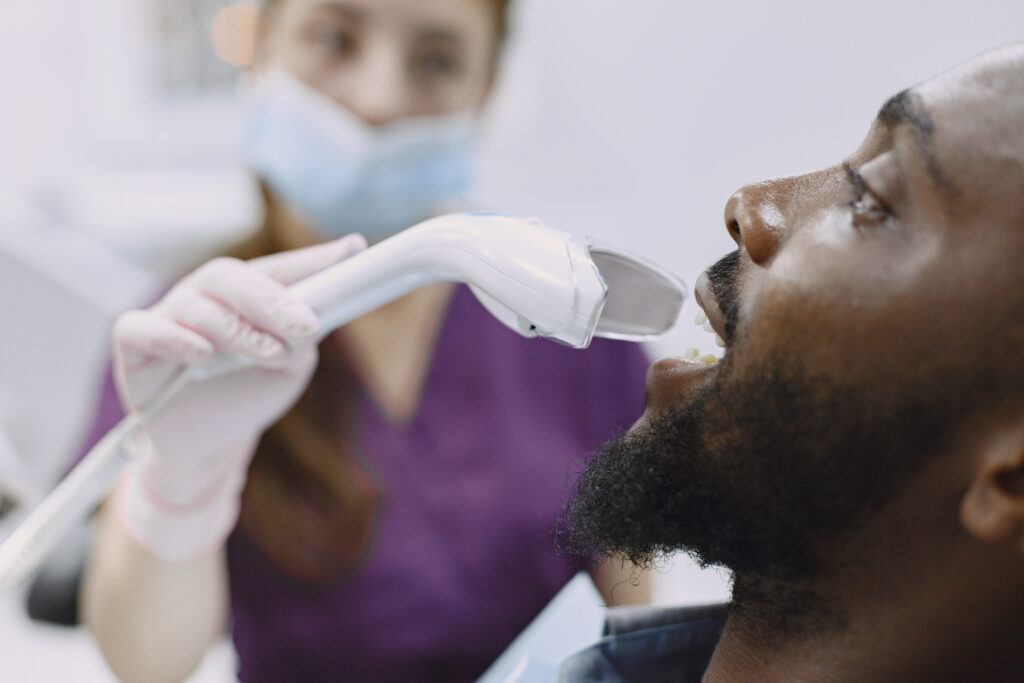
What Abuja Patients Actually Want from a Dentist
After five years of intake conversations with patients across Maitama, Wuse II, Garki, Gwarinpa, Asokoro, Jabi, Kubwa, and every other corner of the FCT, we have a clear picture of what people genuinely prioritise when they choose a dentist. It is not what most clinics lead with in their marketing.
ORA by Abuja Dental — Patient Intake Observations
What Abuja Patients Actually Look for When Choosing a Dentist
Based on intake conversations with 3,000+ patients across the FCT, these are the factors Abuja residents genuinely weigh when deciding who to trust with their dental care.
Source: ORA by Abuja Dental patient intake observations 2020 to 2024. 3,000+ patient interactions across the FCT.
The pattern is consistent. Trust in the dentist’s qualifications is far and away the most important factor. Honest, clear communication about what will happen and what it will cost comes second. The desire not to feel pressured into treatment they did not come in for is a significant concern for about one in six patients. Location matters, but only after those three conditions are met. The clinic’s physical appearance and equipment, the most visible marketing signal a clinic can send, ranks last.
This gap between what clinics advertise and what patients actually want is one of the main reasons the dental market in Abuja generates so much dissatisfaction. A beautiful reception area and a premium brand name do not deliver the experience patients are actually looking for. A qualified dentist who communicates clearly and respects the patient’s intelligence does.
The Oral Health Reality in Nigeria
Understanding why finding the right dentist matters starts with understanding the scale of the problem.
Nigeria and Global Oral Health Data
The Oral Health Reality: What the Numbers Say About Nigeria
These figures help explain why access to a qualified dentist in Abuja matters more than most people realise, and why the decision you make about who treats you carries real long-term consequences.
Untreated tooth decay in permanent teeth is the most common health condition on the planet, according to the Global Burden of Disease Study 2021.
WHO Oral Health Fact Sheet, 2025The WHO recommendation for developing countries is 1 dentist per 5,000 patients. Nigeria's ratio is nearly nine times below that benchmark.
Frontiers in Oral Health, 2025Seven in ten Nigerians do not visit a dentist until they are in pain. By that point, preventable conditions have almost always escalated significantly.
Smile360 Nigeria clinical dataMore than one in four adults globally has active untreated tooth decay in permanent teeth. In Nigeria, access barriers mean most cases go untreated far longer.
GBD Study 2021 via The LancetHealth worker migration from Nigeria surged 200% between 2023 and 2024. The supply of qualified dental professionals is shrinking, not growing.
Federal Ministry of Health Nigeria, 2025Only about one in ten Nigerians who need dental care are actually able to access it through the current system. The gap is largest outside major cities.
Africa CDC Health Knowledge Hub, 2026What this means for you as an Abuja patient
Abuja is one of the best-served cities in Nigeria for dental care, but that does not make finding the right dentist straightforward. A shrinking qualified workforce, wide variation in clinic standards, and a culture of waiting until pain arrives means that when you do finally seek care, the person you choose and the speed at which you act both have a direct bearing on your outcome. ORA by Abuja Dental exists to make that choice easier, faster, and more reliable for every patient across the FCT.
Sources: WHO, GBD Study 2021, Frontiers in Oral Health 2025, Federal Ministry of Health Nigeria 2025, Africa CDC 2026, Smile360 Nigeria, ORA by Abuja Dental patient data 2020 to 2024.
The numbers above are not abstract statistics. They describe the environment that every patient and every dentist in Abuja is operating within. Untreated tooth decay is the most common health condition on the planet. Nigeria has a dentist to patient ratio nearly nine times below the WHO benchmark. Four thousand doctors and dentists left the country in 2024 alone. Only about ten percent of Nigeria’s oral health needs are currently being met.
Abuja is better served than most Nigerian cities, but it is still operating under significant pressure. The result is a market where the variation in quality between clinics is genuinely wide, where the signals patients typically use to judge quality are unreliable, and where the consequences of choosing the wrong provider can be significant.
None of this is meant to alarm. It is context. Knowing it helps you make a better decision.
The Questions Worth Asking Before You Choose a Dentist
Most patients do not ask their dentist any questions before sitting in the chair. The consultation format in many Abuja clinics does not encourage it. But asking the right questions before you commit to treatment is one of the most practical things you can do for your oral health.
These are the questions worth asking:
Are you registered with the Dental and Medical Council of Nigeria?
This is the baseline. The MDCN is the regulatory body responsible for registering dental professionals in Nigeria. A dentist who cannot confirm their registration status, or who is evasive about it, is a dentist you should not see. Registration does not guarantee clinical excellence, but the absence of it is a significant risk signal.
What specific qualifications do you hold, and in what discipline?
There is a meaningful difference between a general dentist and a dental specialist. If you need orthodontic treatment, the person you see should be a qualified orthodontist with postgraduate training in that discipline, not a general dentist offering braces as an add-on service. If you need an implant, you want someone with verifiable implant training and a track record of placing them. Ask the question directly. A qualified professional will answer it clearly.
What equipment will be used for my treatment, and what laboratory do you work with?
For any treatment involving a lab-fabricated restoration, whether that is a crown, a veneer, a bridge, or an implant component, the laboratory that makes it matters as much as the dentist who places it. Low-cost clinics frequently cut their lab budgets in ways patients never see. The result shows up in the fit, the aesthetics, and the longevity of the work. Ask which laboratory is used and whether it is accredited.
Can you explain what you are recommending and why?
A dentist who cannot explain a treatment recommendation in plain language that a patient without dental training can understand is either not communicating well or not entirely clear on what they are recommending. You should leave every consultation with a clear understanding of what was found, what the options are, what each option involves, and what the consequences of choosing each option or doing nothing are.
What is the total cost before we start?
Dental costs in Abuja range widely between clinics. More importantly, what is included in a quoted price varies. A quote that does not include X-rays, the consultation fee, or follow-up appointments can look competitive and cost significantly more by the time the treatment is finished. Ask for a full breakdown before agreeing to proceed with anything beyond the initial consultation.
What We Hear Most Often from Patients in Abuja
These observations come from real intake conversations. They are consistent enough that we see them as patterns rather than individual experiences.
Patients who went somewhere cheap and are now fixing the consequences
This is the pattern we encounter most often. A patient who chose the most affordable option, received inadequate treatment, and is now dealing with the aftermath. Sometimes this is a failed filling that allowed decay to continue underneath. Sometimes it is an extraction that was done when the tooth could have been saved. Sometimes it is a veneer that does not match the adjacent teeth because the laboratory work was low quality. In every case, the cost of correction exceeds the saving they thought they were making.
We understand why patients choose on price. Dental care in Abuja is not cheap, and not everyone is in a position to spend freely. But there is a meaningful difference between affordable quality care, which exists in our network, and cheap care that produces poor outcomes. The two are not the same thing, and the cheapest option is rarely the most economical one over the medium term.
Patients who have had multiple consultations but not received consistent advice
We speak regularly with patients who have visited two or three different clinics and received three different diagnoses or three different treatment recommendations for the same tooth. This happens because dental diagnosis involves clinical judgment, and the quality of that judgment varies. It also happens because some clinics have a financial interest in recommending the treatments they are best equipped to sell, rather than what the patient actually needs.
When a patient tells us they have received inconsistent advice, we match them to a specialist whose credentials in the relevant discipline are clear and verifiable. In some cases we recommend a second opinion consultation specifically. The goal is always a treatment plan the patient can understand and believe in, not just one they have been told to follow.
Patients searching for a dentist for the first time in years
A significant proportion of our enquiries come from people who have not seen a dentist in two, three, five, or more years. They are often anxious. They often expect to be told off. They frequently assume their teeth are in worse condition than they are, because their imagination has had years to develop the worst-case scenario.
The first appointment for these patients is always the most important one to get right. A dentist who takes the time to assess carefully, explain findings clearly, and prioritise treatment in a realistic, non-overwhelming way can turn a long-delayed patient into a reliable attendee. A dentist who lists everything that needs doing at once and quotes a large total cost at the first visit typically sends them back out the door and into another multi-year absence.
We account for this when matching first-time or returning patients. We identify dentists in our network who are particularly good at communicating with patients who are nervous or who have avoided care for a long time.
Patients who need a specialist but do not know it yet
This happens more often than patients realise. Someone contacts us asking for a dentist for a gum problem, and the description they give us sounds like moderate to advanced periodontitis, which should be seen by a periodontist rather than a general dentist. Someone asks for a dentist to look at jaw clicking and jaw pain, which are symptoms that warrant an assessment by someone with specific experience in temporomandibular joint conditions. Getting the right type of dentist for a problem is as important as getting a good one.
A Patient Experience from Our Network
The situation
A woman in her mid-thirties contacted us after receiving conflicting advice from two clinics about a lower molar. One clinic had told her the tooth needed extraction. The other had recommended a root canal. She was confused, anxious, and had lost confidence in both options. She had been sitting with the uncertainty for three months, during which time she had been managing pain with over-the-counter medication.
How we responded
We asked her specific questions about the tooth, how long the symptoms had been present, whether she had experienced any swelling, whether she had copies of the X-rays from the previous consultations, and what her priorities were in terms of keeping the tooth versus replacing it. Based on her answers, we matched her to an endodontist in our network, a specialist in root canal treatment, in Maitama. We explained exactly why we were recommending that clinic and that specialist, and what she should expect at the consultation.
The outcome
The endodontist assessed the tooth and confirmed it was a candidate for root canal treatment, not extraction. The treatment was completed over two appointments. The tooth was subsequently restored with a crown. She has had no further symptoms and the tooth has been stable since. She described the experience as the first dental visit in years that left her feeling genuinely informed rather than confused.
“After going to two different places and getting two different answers, I was ready to just leave the tooth and deal with it. ORA explained everything to me before I even booked. I knew exactly who I was going to see and why. That made all the difference.”
Patient, ORA by Abuja Dental Network, Abuja FCT
Types of Dentist in Abuja and What They Do
The word dentist covers a wide range of practitioners. Understanding the differences helps you ask for the right person from the beginning.
General dentist: The starting point for most patients. A general dentist handles checkups, fillings, extractions, basic restorations, and can refer you to a specialist when your case requires it. If you are not sure what you need, a general dentist is the right first contact.
Endodontist: A root canal specialist. If you have deep tooth infection, prolonged sensitivity, or a tooth that a general dentist has recommended extracting due to internal damage, an endodontist is the appropriate referral. Root canal treatment done by an endodontist has a higher success rate than the same procedure done by a general dentist.
Periodontist: A specialist in gum disease and the supporting bone structure. If you have been told your gums are receding, you have deep pockets around your teeth, or you have been diagnosed with moderate to advanced periodontal disease, a periodontist is the right person to see.
Orthodontist: A specialist in tooth and jaw alignment. If you or your child needs braces, clear aligners, or any orthodontic appliance, the person placing and managing that treatment should be a qualified orthodontist with postgraduate training in orthodontics.
Prosthodontist: A specialist in tooth replacement and complex restoration. If you have multiple missing teeth, are considering dental implants as part of a larger treatment plan, or need full mouth rehabilitation, a prosthodontist is the appropriate specialist.
Oral and maxillofacial surgeon: A surgical specialist handling complex extractions, jaw surgery, implant placement for complex cases, facial trauma, and conditions affecting the mouth, jaw, and surrounding facial structures.
Paediatric dentist: A dentist with specialist training in treating children from infancy through adolescence. If your child is under twelve or has dental anxiety, a paediatric dentist is better equipped to manage the appointment than a general dentist.
How ORA by Abuja Dental Matches You to the Right Dentist
The matching process at ORA is not a directory search. We do not show you a list and let you pick. We ask you specific questions, understand your situation, and identify the most appropriate qualified professional for your case within our network.
- You contact us by phone, WhatsApp, or our online booking form and describe your concern.
- We ask questions about your dental history, your symptoms or goals, your location, and your timeline.
- We identify the appropriate type of practitioner for your case and the most suitable clinic in your area.
- We explain who we are recommending, why, and what you should expect at the appointment.
- We book the appointment. You attend knowing exactly what you are walking into.
There is no fee to contact us. If we cannot match you appropriately within our network, we will tell you honestly rather than send you somewhere unsuitable.
Frequently Asked Questions
Ask them directly whether they are registered with the Dental and Medical Council of Nigeria. You can also check the MDCN register. Registration is the minimum standard. Beyond that, ask about their specific qualifications, where they trained, and how long they have been practising the specific type of treatment you need. A qualified professional will answer these questions without hesitation. If they are evasive or dismissive, treat that as a signal.
A general dentist completed a five to six year dental degree and handles the broad range of routine care. A dental specialist completed an additional two to four years of postgraduate training in a specific discipline, orthodontics, periodontics, endodontics, prosthodontics, oral surgery, or paediatric dentistry. For complex or specialist treatment, seeing a specialist consistently produces better outcomes than seeing a general dentist attempting the same procedure.
Price alone tells you very little about quality. Some well-priced clinics in Abuja offer genuinely good care with qualified staff. Others offer low prices because they are cutting costs on materials, laboratory work, or the qualifications of the people treating you. The way to evaluate a clinic is not by price but by credentials, transparency, and what other patients report about their actual experience. We do that evaluation before we add a clinic to our network.
The standard recommendation is every six months for a routine checkup and professional cleaning. Patients with a history of gum disease, high cavity risk, or ongoing orthodontic treatment may need to attend every three to four months. Patients who have been absent for several years should start with a comprehensive assessment and then establish a regular schedule based on what the dentist finds.
Tell us when you contact us. Dental anxiety is common and completely understandable, and it is one of the factors we account for in our matching process. We identify dentists in our network who are particularly good with anxious patients, who take extra time to explain what they are doing, and who are willing to proceed at a pace the patient is comfortable with. The experience a genuinely good dentist provides is almost always very different from what an anxious patient has feared.
Bring any previous X-rays or dental records if you have them. Bring a list of any medications you are currently taking, including vitamins and supplements. If you have a specific concern, write it down so you do not forget to mention it during the appointment. If you have dental insurance or an HMO plan, bring your insurance card and know which procedures your plan covers.
Yes. We cover the entire FCT. When you contact us we ask about your location and match you to the most appropriate clinic in your area, or the closest appropriate clinic if there is no specialist in your immediate district. For specialist treatment, proximity is sometimes less important than clinical suitability, and we will explain that tradeoff honestly if it arises.
Talk to us. We can discuss payment plans available through partner clinics, what the minimum essential treatment is if a full plan is out of reach right now, and what the realistic consequences are of treating sequentially rather than all at once. We do not pressure patients into treatment they cannot manage. Our goal is to get people into appropriate professional care, whatever form that takes.
Yes. Paediatric dental care is part of our network. Children should see a dentist from around their first birthday or when the first tooth appears. For children who have not yet seen a dentist, we can explain what to expect and match you to a dentist or paediatric specialist who works well with young patients. Starting dental visits early is one of the single most impactful things a parent can do for a child’s long-term oral health.
Several of the clinics in our partner network accept major HMO plans operating in the FCT, including Hygeia, Reliance, Axamansard, Clearline, Anchor, and others. When you contact us, let us know your HMO provider and we will identify which partner clinics accept your plan. Always confirm what specific dental procedures are covered under your plan before attending an appointment.
Key Takeaways
- Patients in Abuja prioritise trust in qualifications and honest communication above price or clinic appearance when choosing a dentist. Clinics that lead with aesthetics and brand names are often not leading with what patients actually care about.
- Nigeria’s dentist to patient ratio of 1 per 44,830 is nearly nine times below the WHO recommendation. Qualified dental professionals are a scarce resource, and the brain drain is accelerating.
- Choosing the cheapest option without verifying credentials is the most consistently expensive dental decision patients in Abuja make. The cost of correcting poor treatment almost always exceeds the saving.
- For specialist treatment, the type of dentist you see matters as much as the quality of the individual. A general dentist doing orthodontics, root canals, or implant placements without specialist training is not the same as a qualified specialist.
- 45% of patients who came to ORA by Abuja Dental had already visited at least one dentist they were unsatisfied with before contacting us. A reliable matching service saves both time and money.
- ORA by Abuja Dental covers the entire FCT, matching patients based on the nature of their treatment need, their location, and their clinical circumstances. There is no fee to contact us.
- Children should see a dentist from around their first birthday. Abuja has paediatric dental specialists available through our network for children of all ages and needs.
Find the Right Dentist in Abuja Through ORA
You should not have to guess about the credentials of the person treating your teeth. ORA by Abuja Dental has spent five years building a verified network of qualified dental professionals across the FCT so that our patients do not have to navigate the market on their own.
Whether you need a routine checkup, a specific treatment, an emergency consultation, or guidance on a complex situation you have been sitting with for too long, contact us. We will ask the right questions, find the right person, and make sure you walk into your appointment knowing what to expect.
No pressure. No obligation. Just straightforward guidance from people who know this landscape well.
Sources and Data Methodology
Internal Data
Patient intake observations, enquiry patterns, and the priority ranking data used in Chart 1 are drawn from ORA by Abuja Dental’s interactions with 3,000+ patients across the FCT from 2020 to 2024. Priority distributions reflect observed patterns from intake conversations and are estimated distributions rather than statistically validated survey results.
External Sources
- WHO Oral Health Fact Sheet, 2025: 3.7 billion people affected by oral disease globally. Untreated dental caries in permanent teeth is the most common health condition on earth.
- Global Burden of Disease Study 2021: 27.54% of the adult population has caries in permanent teeth. Oral conditions projected to affect 46.17% of the global population by 2050.
- Frontiers in Oral Health, 2025: Nigeria dentist to patient ratio of 1 per 44,830, against WHO recommendation of 1 per 5,000.
- Federal Ministry of Health Nigeria, Nigeria Health Statistics Report, 2025: 4,193 doctors and dentists left Nigeria in 2024. Health worker migration surged 200% between 2023 and 2024.
- Africa CDC Health Knowledge Hub, 2026: Only 10% of Nigeria’s oral health needs are being met by the current workforce.
- Smile360 Nigeria clinical data: 70% of Nigerians do not visit a dentist until pain forces them to.
- PLOS Global Public Health, 2022: Prevalence of oral diseases in Nigerian urban residents, including dental caries (23 to 27%) and gingival bleeding (53 to 75%).